The Tale of Two Factories
Estelí, Nicaragua. The epicenter of the country's cigar renaissance is a mishmash of old and new, thrown together in a haphazard, Third World boomtown kind of way. New supermarkets next to street food stands. Stacks of new tires at a ramshackle roadside shed next to a shiny fast-food joint. And, in the cigar world, brand new factory palaces and older, more traditional edifices sit within arrowshot of each other. The new A.J. Fernandez factory, and the older factory of the Plasencia family, epitomize the juxtaposition.
A.J. Fernandez, with brands such as San Lotano and New World, has been working in Estelí for nearly a decade. But two years ago, he built a cigar-producing palace on the edge of town, set back from a bumpy dirt and stone road. The factory sits behind a 10-foot cream and rust stucco wall with fancy wrought iron along its top edge. The entrance is a circular driveway surrounded by the factory's buildings.
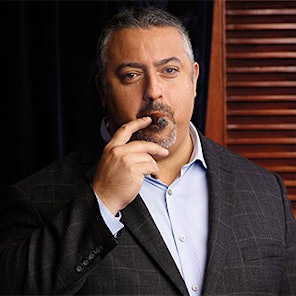
For Fernandez, the factory represents a long-term strategy of vertical integration, which is also highlighted by a tobacco farm just a few hundred yards down the road, behind the same imposing wall. "This is a marathon," he said, "and keeps getting better every year."
The A.J. Fernandez factory produces between 10 to 12 million cigars a year, and with 170 two-person teams of rollers and bunchers, they are currently at peak production level. When you make 40,000 to 45,000 cigars daily, it demands a huge infrastructure of workers and tobacco inventory, all of which are under the same tile roof. Room after room are beehives of activity, with strippers pulling the veins of big, aged tobacco leaves, sorters finding subtle shades of color in each leaf and piling them together, and workers lifting and restacking pilones, the big stacks of tobacco going through the fermentation process. In the aging rooms, the nylon packs of tobacco from Nicaragua, Indonesia, Dominican Republic, Peru, Paraguay, Brazil and Pennsylvania reach halfway up to the 25-foot high ceilings. And, of course, it all feeds into the gigantic rolling room, which feels as big as a football field. The bent-over teams race to finish their daily quota of 400 to 450 cigars each. It is a factory designed to be as efficient as possible.
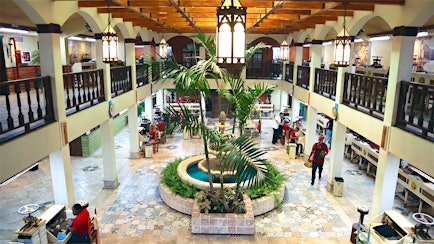
Just a little way back down the road into the city, less than five minutes away, the Plasencia factory looms almost quietly over the street, its front door just steps from the passing traffic. The entryway opens into a colonial, one-story courtyard with a fountain, and archways along the open passageways to various rooms of the factory.
In the rolling room, 180 rollers (about half the size of the A.J. Fernandez factory) turn out about 25,000 cigars daily, ranging from their namesake Plascencia brand to Casa Magna and Montecristo Espada.
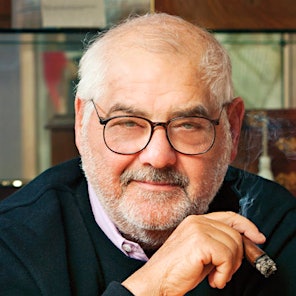
"We believe this is the perfect size for a factory that is making more than one brand," Nestor Plasencia Sr. said, as he listened to his son, Nestor Jr., lead a tour of attendees to the annual Nicaraguan cigar festival, Puro Sabor. The elder Plasencia was born to a tobacco family in Cuba, and has been growing tobacco and making cigars in Honduras and Nicaragua for decades. He said that the Estelí factory was dedicated to the premium brands the company manufactures, and the size makes it possible "to keep track of everything and to maintain quality control."
Throughout the building, the workers smiled and saluted the tour group, all part of what Nestor Jr. says shows the company's effort to make everyone feel they are part of the family. The factory has been in existence since the mid-1990s, and it reflects the prevailing practice in the industry at the time; the family or individually owned factories were generally smaller and more modest in scale. But the Plasencias are one of the biggest tobacco producing companies in Central America, too, with more than 2,600 acres under cultivation from Estelí to just across the border in Honduras, which is where their largest facility in Danlí operates. They are making more than 6 million cigars a year in Estelí, but the company's total production exceeds 30 million sticks annually, most of which are made under contract for other brand owners.
The Estelí facility is not small, but nonetheless, it stands apart from the bigger, newer factories, a throwback to days of modest growth and expectations in the cigar business.
But with the old and the new, side by side, the picture is clear: The cigar business here in Nicaragua is thriving and producing cigars of great quality.