California’s Attack On The Premium Cigar Industry

If you think bans on flavored tobacco products are largely irrelevant to premium, handmade cigars, think again. California has tacked new, emergency regulations onto the state’s existing ban on flavored tobacco products, which will make it harder to sell cigars there than anywhere else in the United States. The state has introduced the Unflavored Tobacco List (UTL), which is a list of tobacco products approved by the California Attorney General, that are deemed “unflavored under the law.” Starting January 1, the only cigars that can be legally sold in California have to be on this list, but making said list isn’t easy, even for traditional cigars that are made without flavorings. Cigarmakers will be forced to adhere to draconian regulatory measures, and in a very limited amount of time and at a steep financial cost. The residual effects will seriously alter the cigar landscape for California retailers and consumers as well.
On Friday, Ashton Distributors, Oliva Cigar, Padrón Cigars, Rocky Patel Premium Cigars, La Flor Dominicana, Arturo Fuente, My Father Cigars, Cigar Rights of America and the Premium Cigar Association sued Robert Andres Bonta, Attorney General of the State of California, challenging this list and this new method, hoping to end it before it goes into effect.
California’s ban on flavored tobacco products passed in 2020, but at the beginning of 2025, it was amended to establish the UTL. However, the specific parameters regarding the list and how to get products onto it didn’t get released until August 25. At that point, cigarmakers were given a deadline of 45 days (or until October 9), to submit applications to the Attorney General’s office for each cigar they wish to sell in the state. The Attorney General must release the UTL by December 31 of this year, and any cigar not on the approved list will automatically become illegal to sell in California at the start of 2026 and will be deemed “flavored,” regardless of whether there’s any flavoring added.
“I really feel that it’s going to decimate cigar retail in California,” says Pete Johnson, the owner of Tatuaje Cigars. “It’s vastly unfair. The retailers still have no idea what’s coming and they don’t know how to manage it because they’re not getting the answers they need either.”
“Premium cigars have nothing to do with the flavored mass-market products that California is trying to ban, yet premium cigar consumers will be paying the price,” says Drew Newman of J.C. Newman Cigar Co.

Violations of these rules can result in legal action from the state and/or financial penalties. The applications cigarmakers are required to submit to the Attorney General’s office are not clear or easy to comply with either, and that’s putting it mildly. Here’s what they entail:
- Applications must be submitted for each cigar a cigarmaker wishes to sell. This is by SKU, meaning every vitola. (For example, with J.C. Newman’s Brick House brand, the company can’t just register Brick House. There will be separate applications for the Brick House Classic Robusto, the Brick House Maduro Toro and so on. The company estimates they’ll register roughly 150 SKUs, meaning 150 applications.)
- There’s a $300 fee per application, or SKU in this case, and a $150 fee per application each year to renew placement on the UTL.
- Detailed paperwork and product information are required per application, this includes product specifications such as length, ring gauge, weight and quantity in a package, as well as information about whether the product has a “characterizing flavor” other than tobacco or not, all decisions made by other governments about whether a particular product is flavored and proof of FDA approval.
- Cigarmakers will also need to send a full box of the cigar related to the application, or, if they sell in smaller packages such as five packs, they can send those along with an empty box. But there still seems to be a lack of clarity on this front. Cigarmakers also have to submit photos of all sides of each box.
Every cigarmaker interviewed by Cigar Aficionado characterizes the current situation in California with the same three words: unclear, unfair and abrupt. Sufficiently completing all of these applications in just 45 days, with no prior warning, presents a serious challenge for companies, large cigarmakers and boutiques alike. The companies are inundated in paperwork, fees and logistical hassles for their many SKUs. Despite being just days away from the deadline, virtually every cigarmaker has questions and concerns that have not been addressed by the state. Yet, if they miss the October 9 deadline, their products will be stuck in a holding pattern, unable to be sold. Here’s what the state says on that matter: “If a UTL application is submitted after October 9, 2025, the Attorney General will respond by March 3, 2026, or within 90 days of the submission, whichever is later.” The latter part effectively means approval will be held off at least until March.
The Retail Side
Regardless of when the official UTL is released, retailers will be put in a situation where they have little time to adjust their inventory, which will undoubtedly include cigars that will be then deemed illegal for sale in California. Cigars may be kept off the list for the following reasons: the cigar is no longer being produced (think vintage cigars, limited-editions, one-off releases or discontinued lines); cigarmakers didn’t get their applications in on time; the state requests more information; or because cigarmakers simply decide not to comply. Some cigarmakers may forgo sales in the state entirely.

Eric Smaldino of Napa Cigars in Napa, California, says the state hasn’t communicated with retailers, nor have they granted a grace period to clear inventory that won’t be on the UTL. “The state dove into an industry that they know nothing about,” says Smaldino. “They moved way too fast, they didn’t talk to anybody, they didn’t listen to our concerns.” In a previous letter the Cigar Rights of America (CRA) sent to the Attorney General’s office, they summed up the issue: “Without such a period, many of our retail partners risk substantial revenue loss due to inventory that would otherwise be unsaleable.”
The Consumer Side
Cigar availability in California will surely be reduced. There will be cigars that don’t get on the UTL list for various reasons, plus, new cigar releases are bound to arrive later than anywhere else in the country as they’ll be tied up in the timely UTL application and approval process. “California is an important market, and we are working hard to prioritize which vitolas from each blend and brand,” says Michael Herklots, co-owner of Ferio Tego. This is more or less the state all cigarmakers find themselves in at this moment.
Tim Ozgener, owner of OZ Family Cigars, says his company will offer a limited portfolio in California. Johnson of Tatuaje, a company with a large number of SKUs, says he will also cut back for the state.
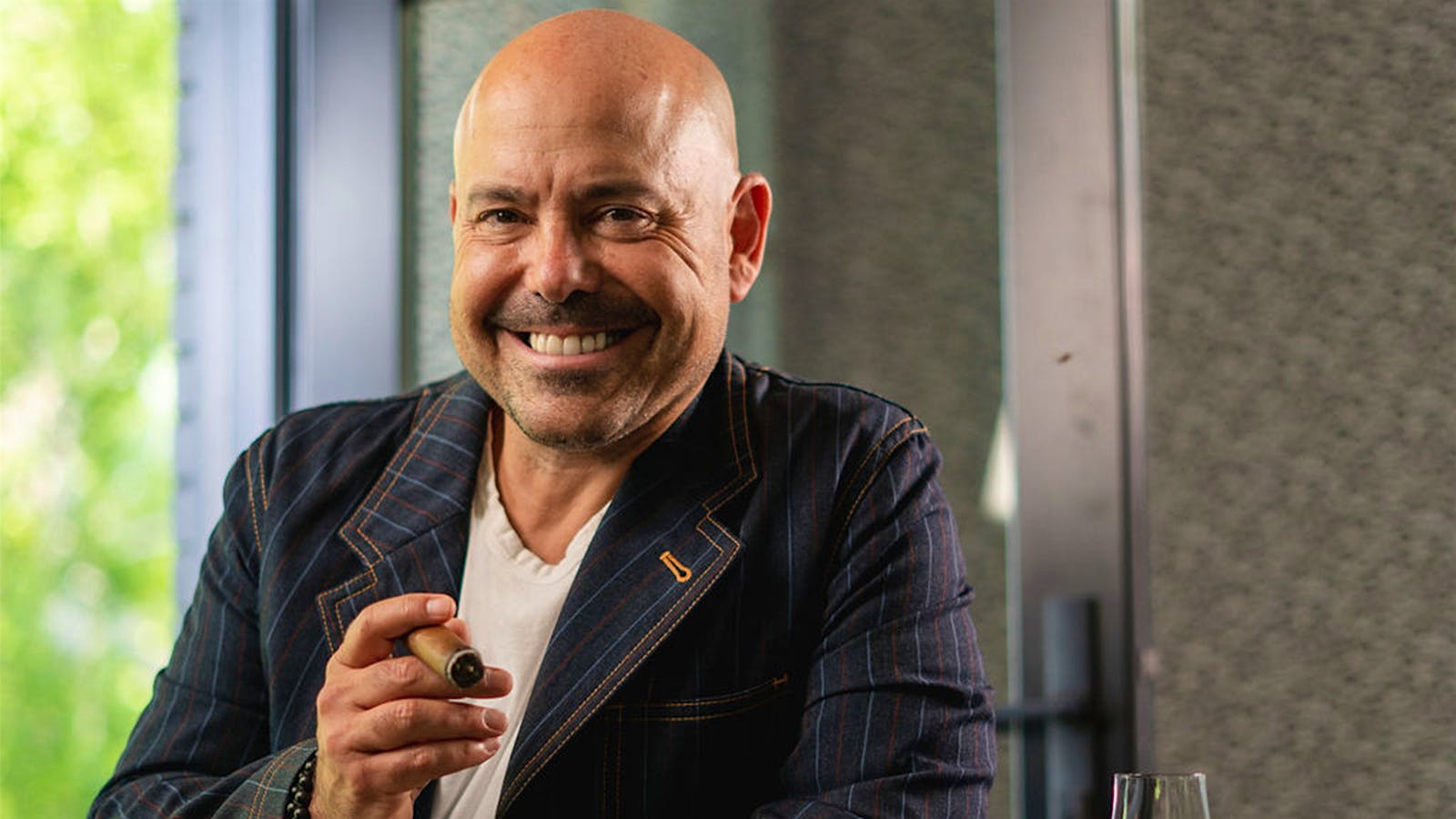
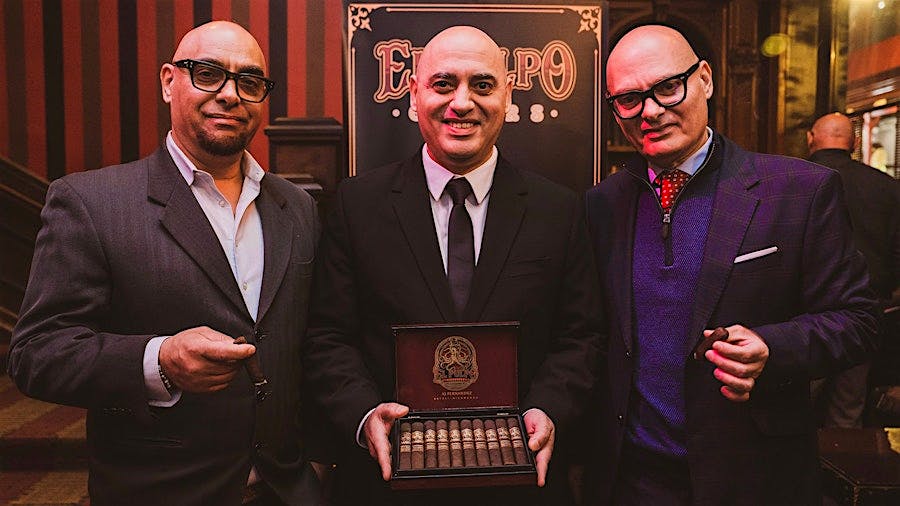
Billy Fakih of Artesano del Tobacco says his company is submitting applications for all 17 SKUs it sells in California, which are spread across their only two brands, El Pulpo and Viva La Vida. “We don’t want to do it, but we have to do it,” he says. “Our cigar smokers in California are dear to us, we want them to feel we are there for them, it’s not fair to them or anyone who enjoys cigars.”
Online cigar sales will not be spared either. If a customer buys a cigar online from an out-of-state retailer and has the cigars shipped to a California address, those smokes must be on the approved UTL list, otherwise the purchase is deemed illegal.
Approval Process
There’s no guarantee cigarmakers will get approval by the time the UTL is published. A response from the Attorney General will come in the form of an approval, denial or request for additional information. The Attorney General’s office says it will respond to applications within 90 days. But if the Attorney General requests additional information, cigarmakers will have 30 days to respond to the request or the cigar will be held off the list. The Attorney General then has 30 days to answer, but he can again request more information, restarting the process.
A big point of ambiguity lies in the flavored vs. unflavored determination process, after applications are submitted. The state simply offers this: “The Attorney General shall initiate removal of a Brand Style from the UTL if the Attorney General determines the Brand Style has a Characterizing Flavor.” It’s not clear how such determinations will be made, but it’s reasonable to assume the Attorney General will use the specific characterizations laid out in the flavor ban passed in 2020. In this bill, a flavored tobacco product is considered a “tobacco product that contains a constituent that imparts a characterizing flavor.” Furthermore, a character flavor, as defined by the state, is “a taste or odor, distinguishable by an ordinary consumer either prior to or during the consumption of a tobacco product, other than the taste or odor of tobacco.” While premium cigars are made entirely from tobacco, with no additional flavoring, the natural combustion of tobacco leaves imparts a multitude of flavor notes, as described in every issue of Cigar Aficionado. It’s unclear if the Attorney General will decide to classify such notes as "characterizing flavor” or not. In a statement about the lawsuit, the CRA positioned the issue as follows: “the Attorney General is trying to set himself up as a second Food and Drug Administration, in violation of numerous federal and state constitutional and statutory provisions.”
Additional Uncertainties
Some cigars should be exempt from the entire UTL process, based on an exemption to the 2020 flavor ban for premium cigars defined by the state as “any cigar that is handmade, is not mass produced by use of mechanization, has a wrapper that is made entirely from whole tobacco leaf, and has a wholesale price of no less than twelve dollars ($12).” But there is confusion over how California is defining the wholesale price of a cigar. In the CRA’s letter to the Attorney General, it points out the lack of clarity in the process, and so far there has been no response to these requests for more information.
Cigar industry insiders have also raised concerns over the abrupt manner in which these regulations were introduced. The official stance from the state is that “the regulations are, by legislative mandate, deemed emergency regulations necessary for the immediate preservation of the public health, safety and welfare under the governing statute.” This “emergency” determination, however, left cigar companies with little time to act.

“From the beginning, this regulation was rushed through on an emergency basis with little opportunity for meaningful input from stakeholders in the premium cigar industry,” said Mike Copperman, executive director of CRA, in a statement. Beyond helping to file the lawsuit, the CRA and the Premium Cigar Association (PCA) have officially requested that California, in the very least, extend the October 9 deadline. “There wasn’t much time given for anyone to react, and I don’t think that’s right,” says Ozgener. Johnson believes the state overreached its authority. “I don’t believe the people managing this in the state have any idea what they’re in for,” he says. “I just wish the state of California would have understood the implications of what they’re doing to a boutique, cottage industry like the cigar industry.”
What Happens Now?
The industry will have to see what happens with the lawsuit, and if it forces any kind of pause or delay on the upcoming October 9 deadline. Otherwise, cigarmakers have to decide if they will comply, and to what degree. Enforcement after the fact and whether the state can meet its self-imposed deadlines, remain key points of uncertainty. “Uncertainty and wait-and-see, unfortunately that’s all us retailers have at the moment,” says Smaldino. Another big concern is that California becomes an example. “I worry that this will lead to a wave of new regulations across the country, with other states following California’s lead and creating their own lists, fees and new burdens on premium cigars,” says Newman. Anti-tobacco regulations typically follow a copycat model. California is not the only place in America with a flavor ban, so the worry now is that other governing bodies may mirror this approach.
Read Next: Belgium To Ban Smoking On Public Terraces And In Cigar Lounges