A Taxing Situation
Oct 15, 2007
|
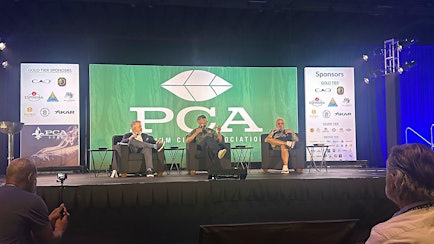
I’m back in the office after a few days in Charleston, South Carolina, at the annual Cigar Association of America meeting. This is a gathering where some of the nation’s biggest cigar makers discuss the issues of the day, and this year no issue loomed larger than SCHIP.
SCHIP stands for State Children’s Health Insurance Program, and it’s been the hot topic in the cigar industry since the summer. Some members of Congress wish to expand the program by $35 billion, and the funds for that expansion would come from higher tobacco taxes, including an increase in the federal excise tax on large cigars. The rate change, going from 20.7 percent of the manufacturers’ selling price to 52.988 percent, is the minor issue: the big problem is the limit on that tax. Currently it’s capped at 5 cents. This bill would have it rise to $3.
The bill passed Congress, but President Bush vetoed the legislation on October 3. So we’re out of the woods, right? Not quite. On Thursday, October 18, Congress will make a push to overturn the veto. They have the votes in the Senate, but not the House, so some are lobbying to sway the minds of their fellow politicians.
Most of America’s mass-market cigar producers were at the CAA show, with a few premium cigarmakers. SCHIP is weighing heavily on their minds. “We’ll be drinking on Thursday,” said one young cigar executive. “Good stuff if the veto holds, cheap stuff if it doesn’t.”
This is a big week for cigar smokers. If the veto is overturned, the tax rate would change on January 1st. Your cigars would become considerably more expensive.
How expensive? Here’s an unscientific calculation: The suggested retail price (SRP) of most cigars is twice the wholesale price, which is the price many (but not all) manufacturers sell at. So taking that assumption, let’s look at a few cigars from the Corona Gorda section of the October Cigar Aficionado:
The Coronado by La Flor Corona Especial has an SRP of $7. Assuming a manufacturers’ selling price of $3.50, under current law the federal excise tax on that cigar would be five cents (20.7 percent of $3.50 is 72 cents, but the cap is at 5 cents.) SCHIP would change that tax to $1.85. (52.988 percent of $3.50 is $1.85, still under the $3 cap.) The Fuente Fuente OpusX Fuente Fuente has an SRP of $9.50. Assuming a manufacturers’ selling price of $4.75, the federal tax would go from 5 cents under current law to $2.51.
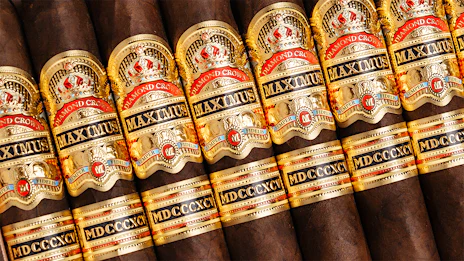
Two of the cigars in that tasting category, the Diamond Crown Robusto ($14 SRP) and the Zino Platinum Scepter Series Grand Master ($13) would reach the $3 tax cap. The least expensive cigar in the category, the $4 Arturo Fuente Flor Fina 8-5-8 Maduro, would have an estimated tax of $1.06.
There’s no denying these are huge increases: for the 8-5-8 smoker, your tax would go from five cents to $1.06, a 21-fold increase. For those smoking the more pricey smokes, the tax would rise 60-fold.
An additional $1 to $3 more per cigar in federal taxes on every cigar you smoke, $25 to $75 more for every box. That’s quite a bit of money. Here’s the question: should the veto get overturned on Thursday and the tax rate spikes, how would it affect your buying habits?
SCHIP stands for State Children’s Health Insurance Program, and it’s been the hot topic in the cigar industry since the summer. Some members of Congress wish to expand the program by $35 billion, and the funds for that expansion would come from higher tobacco taxes, including an increase in the federal excise tax on large cigars. The rate change, going from 20.7 percent of the manufacturers’ selling price to 52.988 percent, is the minor issue: the big problem is the limit on that tax. Currently it’s capped at 5 cents. This bill would have it rise to $3.
The bill passed Congress, but President Bush vetoed the legislation on October 3. So we’re out of the woods, right? Not quite. On Thursday, October 18, Congress will make a push to overturn the veto. They have the votes in the Senate, but not the House, so some are lobbying to sway the minds of their fellow politicians.
Most of America’s mass-market cigar producers were at the CAA show, with a few premium cigarmakers. SCHIP is weighing heavily on their minds. “We’ll be drinking on Thursday,” said one young cigar executive. “Good stuff if the veto holds, cheap stuff if it doesn’t.”
This is a big week for cigar smokers. If the veto is overturned, the tax rate would change on January 1st. Your cigars would become considerably more expensive.
How expensive? Here’s an unscientific calculation: The suggested retail price (SRP) of most cigars is twice the wholesale price, which is the price many (but not all) manufacturers sell at. So taking that assumption, let’s look at a few cigars from the Corona Gorda section of the October Cigar Aficionado:
The Coronado by La Flor Corona Especial has an SRP of $7. Assuming a manufacturers’ selling price of $3.50, under current law the federal excise tax on that cigar would be five cents (20.7 percent of $3.50 is 72 cents, but the cap is at 5 cents.) SCHIP would change that tax to $1.85. (52.988 percent of $3.50 is $1.85, still under the $3 cap.) The Fuente Fuente OpusX Fuente Fuente has an SRP of $9.50. Assuming a manufacturers’ selling price of $4.75, the federal tax would go from 5 cents under current law to $2.51.
Two of the cigars in that tasting category, the Diamond Crown Robusto ($14 SRP) and the Zino Platinum Scepter Series Grand Master ($13) would reach the $3 tax cap. The least expensive cigar in the category, the $4 Arturo Fuente Flor Fina 8-5-8 Maduro, would have an estimated tax of $1.06.
There’s no denying these are huge increases: for the 8-5-8 smoker, your tax would go from five cents to $1.06, a 21-fold increase. For those smoking the more pricey smokes, the tax would rise 60-fold.
An additional $1 to $3 more per cigar in federal taxes on every cigar you smoke, $25 to $75 more for every box. That’s quite a bit of money. Here’s the question: should the veto get overturned on Thursday and the tax rate spikes, how would it affect your buying habits?