A Return to the Dominican Republic

It's early in the morning, and the air is already warm and heavy with the promise of ever more sunshine. Sitting on the balcony of Camp David Ranch, a cup of strong coffee to my right and a smoldering cigar to my left, I'm looking down at the city of Santiago stretching out beneath me like a wide carpet studded with homes and buildings of varying size. To the left is a vast expanse of green, with fewer pockmarks of man. Fires burn in the distance, the winds carrying the smoke to my right, parallel to the range of gray mountains that loom in the distance. It's a gorgeous sight.
I've been coming to this country since 1996, and I've been here many times, but this is my first trip to the D.R. in two years. A busy travel schedule kept me away in 2016. Santiago seems to grow ever larger every time I return.
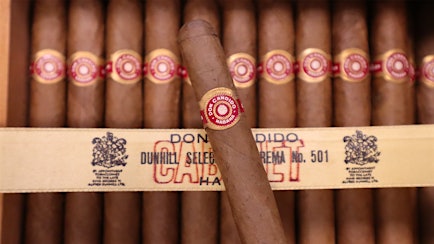
The Dominican Republic bills itself as cigar country, and it's a proper and well-earned moniker. For as long as I've worked at Cigar Aficionado—more than 21 years—the Dominican Republic has been the leading producer of premium cigars, making more cigars than even Cuba. (Nicaragua is a close No. 2, and may overtake the D.R., but that's for another story.) No matter where you go in Santiago, you're never far from cigars or tobacco fields.
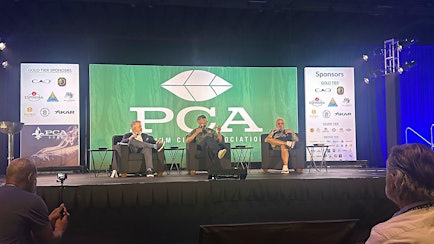
I'm here this week with senior editor Gregory Mottola, meeting with cigarmakers who are part of the Dominican group known as ProCigar. Forged in the early days of the 1990s cigar boom, when an unprecedented demand for cigars sent shockwaves through the industry, ProCigar began as a way to help the members to work together, rather than against one another. Today, it is a proud ambassador of this nation's tradition of making great cigars by hand.
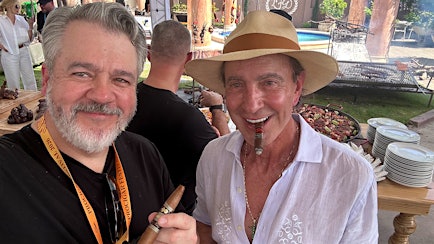
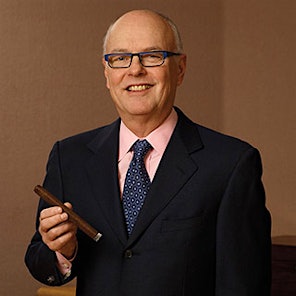
I love coming here to sit down and smoke with people I've known, in many cases, for two decades. Yesterday I had cigars with Guillermo León of La Aurora, the oldest cigar company in the country. We sat in his well-appointed office, talking about old times and looking over a heavy log of quirky and old-fashioned Dominican tobacco known as Andullo. Traditionally smoked in a pipe, Guillermo uses Andullo as a spice of sort in some of his cigars.
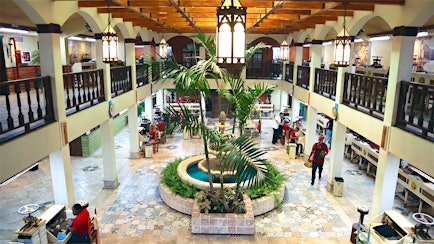
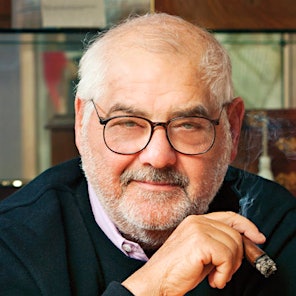
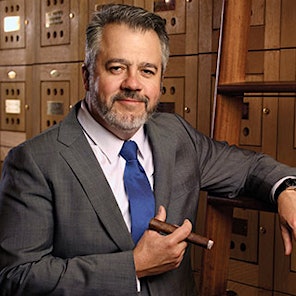
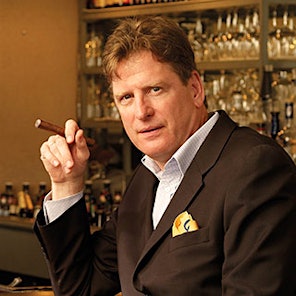
After, I smoked away with Manolo Quesada of Quesada cigars, wishing him a happy early 70th birthday as I smoked an early version of the cigar commemorating that upcoming event. After, I had another smoke and some good food with Litto Gomez of La Flor Dominicana at his redone and majestic factory in Tamboril. The day before I spent time with Carlos Fuente Jr. of Tabacalera A. Fuente, looking with awe at all the changes he is overseeing at his factory, which makes some 30 million cigars every year.
Later today, Greg and I will lead a tasting of three cigars that scored exceptionally well in our Top 25 tasting, including the No. 1 cigar of the year, which is Dominican. At last night's dinner, I handed a plaque to Litto Gomez, who makes that No. 1 cigar, as a recognition of his accomplishment. The members of ProCigar take great pride in having one of their own ranked No. 1, just as they have prided themselves on making fine cigars here for so very long.
It's good to be back in the Dominican Republic.